Specialty
Moving plants: why most movers say no across state lines, the states that inspect, and how to take them in the car
Most long-distance movers refuse houseplants because a closed truck has no light or air, and several states inspect plants at the border. Across 16 reviews the file stays thin, which reads as a refusal rule more than a trail of complaints.

Anthony BaleMoving industry professional, author and writerReviewed 23 September 2026
Why movers say no
movers refuse the plants, so customers seldom write about them
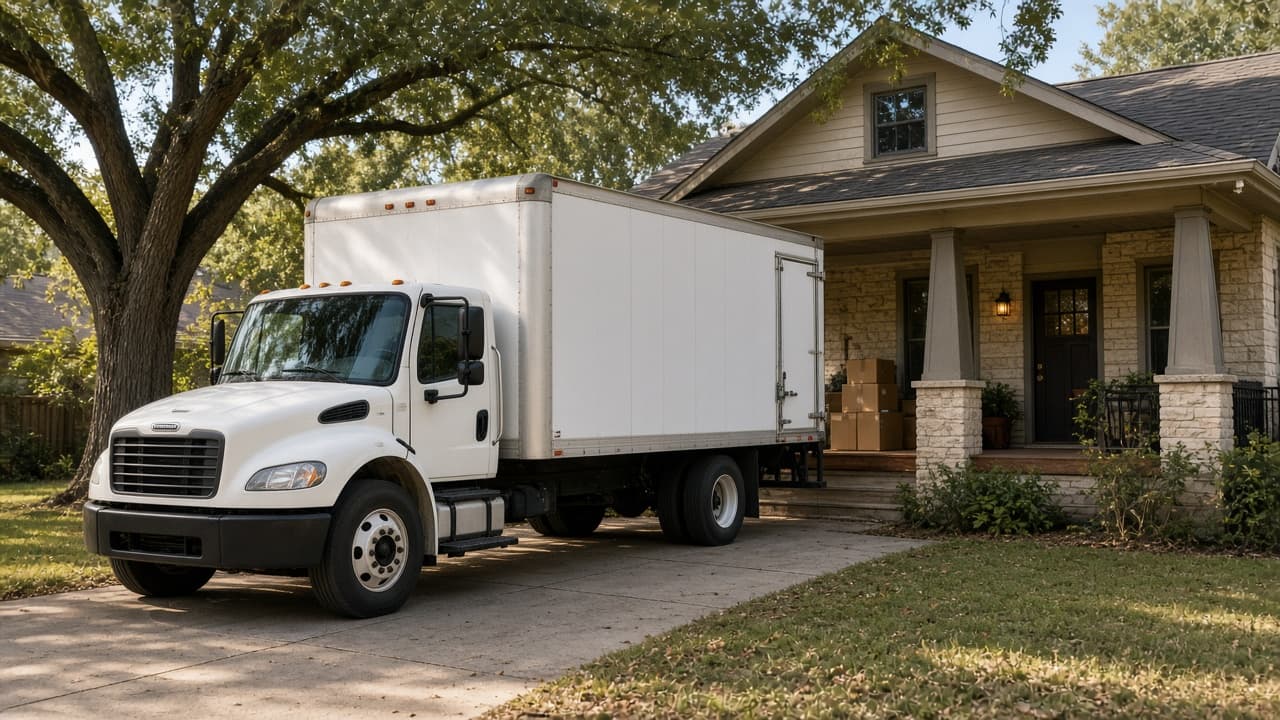
A closed trailer is a bad greenhouse. Long-distance trucks run dark, sealed, and hot or cold for days, so most movers ban live plants on interstate jobs. Tips pages checked September 2026 say the same thing as a standing rule. Haulest is not a carrier and does not haul plants or anything else. The practical answer is to keep the plants out of the van.
The reviews barely mention plants. In 16 reviews from 15 movers, the mean rating is 3.56 against 3.95 for all reviews in the window, and 37.5% are one or two stars. 31.3% mention damage, yet the plant itself is rarely the story. The desk reads these reviews every week, and the thin file is the tell: movers refuse the plants, so customers seldom write about them.
The states that inspect
California runs agricultural inspection stations at its borders
California, Arizona, and Florida are the strictest. Tips pages checked September 2026 flag those three for the tightest plant rules on a long move. California runs agricultural inspection stations at its borders, so a trunk full of pots can be stopped, searched, and turned back. Plan the route as if a uniformed inspector will open the car.
Each state writes its own import list. The National Plant Board publishes each state's plant import rules, which is the list to read before you pack a single pot. Some states want a certificate, some ban soil, and some ban whole species. Check the destination and every state you will cross, not only the one on the lease.
Inspection is a border event, not a moving service. A long-distance move does not include a plant permit, and the crew will not argue with an inspector for you. Read the prohibited items calculator before you assume a pot is ordinary household goods. If the rule is unclear, leave the plant behind rather than risk a roadside seizure.
Soil, pests, and repotting
Soil is the pest, not the leaves
Soil is the pest, not the leaves. States worry about hitchhiking insects, nematodes, and fire ants riding in the potting mix. Fresh sterile soil is the usual fix the tips pages checked September 2026 repeat. Bare-root the plant, wash the roots, and repot in new mix bought at the destination if the rules demand it.
A certificate is paperwork, not a promise. Some destinations want an inspection certificate before the plant enters. Get it from the origin state's agriculture office while the plant is still in the old pot, then keep the paper in the car. Without it, a clean plant can still be refused.
Repot before the heat peaks. A summer move stresses roots that were just washed and shoved into new mix. Give the plant a week or two in the new soil before travel if the calendar allows. If it wilts hard after the wash, it was never a good candidate for the trip.
Taking them in the car
The passenger seat beats the trailer
The passenger seat beats the trailer. Take the plants in the car, where they get light, air, and a temperature you can feel. Water lightly the day before so pots do not leak on the upholstery, and pack them upright in boxes with the lids off. Never leave them in a parked car at midday.
Build the drive around the plants. Stop for water and shade on a long haul, and crack a window when the cabin heats up. A winter move adds cold shock, so keep tropical plants inside the heated cabin, not the trunk. If the trip takes several days, bring them into the motel room at night.
Start the packing clock early. The eight-week checklist is the place to decide which plants ride with you and which stay. Photograph each plant and note its water habit before the boxes go on. Decide early so a prized plant is not crushed under a suitcase.
Local moves are different
Ask in writing, because a verbal yes disappears on moving day
A local van is not a sealed box for days. On a same-city move the ride is short, the crew can leave the door ajar, and the plant is home before it wilts. Many movers who ban plants on interstate work will carry a few pots across town. Ask in writing, because a verbal yes disappears on moving day.
Local rules are about the truck, not the border. City and county moves rarely hit an agricultural station, so the soil fight is smaller. The plant can still be crushed, frozen, or left on a driveway. Treat it as fragile cargo, and see how a local move is priced and staffed before you assume the pot is free.
What to give away
Some plants should not travel
Some plants should not travel. Large trees, in-ground shrubs, and anything banned by the destination are gifts, not cargo. Offer them to neighbors, a school, or a buyer who already lives in the same state. Take cuttings only when the state allows the species in sterile medium. A gift in the same state is cleaner than a fine at the border.
Sentimental pots are the hard ones. If a plant is a family piece and the state will not take it, propagate a legal cutting or accept the loss before moving week. Do not hide a banned plant in a wardrobe box. The review file is too thin to prove that trick works, and the risk sits with you.
Before you hire
Four checks before a deposit
Written estimate after a look
Interstate movers must give the booklet and a written estimate after a survey or a full description. A $499 ad is not an estimate.
FMCSA Protect Your MoveLegal name matches SAFER
USDOT on the paper, the truck doors, and the census. A different name is the walk.
USDOT / Companies House lookupWalk from cash and blank paper
FTC: unregistered interstate, huge deposit, cash only, or a blank contract. Photograph and leave.
FTC: hiring a mover110% on a COD non-binding job
Pay up to 110% plus agreed extras and they must hand over the load. Not a cap on extras you signed.
US interstate rules
Reviewed 23 September 2026 by Anthony Bale. Numbers on this page carry their own dates; the official pages below are the sources.
Sources
Links go to the publisher. Haulest does not add findings. Checked September 2026; if the live page moved, believe the agency.
Ask out loud
Questions people ask
- Can movers move plants across state lines?
- Most long-distance movers say no, because a closed truck has no light or air and the load can sit for days. Tips pages checked September 2026 treat the ban as a standing rule. Keep the plants with you in the car.
- Which states inspect houseplants?
- California, Arizona, and Florida are the strictest, and California runs agricultural inspection stations at its borders. The National Plant Board publishes each state's plant import rules. Read the destination and every state you will drive through.
- Why do states care about potting soil?
- Soil can carry insects, nematodes, and other pests even when the leaves look clean. Fresh sterile soil is the usual fix, and some states want an inspection certificate as well. Bare-root and repot if the destination rules say so.
- How should I move plants in a car?
- Pack them upright, water lightly the day before, and keep them in the cabin where you control heat and cold. On a long drive, do not leave them in a parked car. Bring them inside if you stop overnight.
- Are local moves different for plants?
- A short local ride is not the same as days in a sealed trailer, and some movers will carry a few pots across town. Ask for a yes in writing before moving day. The plant can still be crushed or left outside, so pack it as fragile cargo.
- What should I do with plants I cannot take?
- Give large trees, in-ground shrubs, and banned species to someone who will keep them in the same state. A legal cutting is the fallback when the rules allow it. Do not hide a prohibited plant in the moving truck.
Next
Keep going

About Anthony Bale
A moving industry professional, author and writer. Anthony has been at different positions in the industry for the last 10 years, gaining significant knowledge on the relocation process. He himself has moved 6 times already, which helped him explore the other side of the moving process.
At Haulest he writes the US cost, hiring, and rights pages, reading the licensed review file every week so the numbers on the page are the numbers people reported.
Call for a free quote
From, then To. Date and home size after that. A person on the phone is faster if you already know the dates.
+1 (866) 961-9682Free quote, a person answersHaulest is not a carrier. We connect you to movers.
Haulest is a research desk and quote line. We are not a carrier.